You are busy, and Littleton’s single-family market is moving even when it feels calmer than the 2021 peak. You want the five-minute version that helps you set a budget, time your search, and write a winning offer without wasting weekends. This guide gives you the data snapshot, practical price bands, and smart steps that save time and stress. You will also see how to compare new builds to resales and where competition is hottest right now. Let’s dive in.
Quick take: Littleton in 5 bullets
- Price, data snapshot: Jan–Feb 2026. Most single-family activity clusters in the low-to-mid 600s, with many closings around the high 500s to mid 600s depending on condition and location.
- Pace. Typical days on market sit in the high 40s to low 50s. Sale-to-list ratios hover in the high 90% range, and roughly one in five closings land above list in recent snapshots.
- Supply. Months of supply runs about 2 to 3 months. That is more balanced than past years but still slightly seller-leaning, especially for well-priced homes.
- Where it moves fastest. Entry and lower mid-market homes that are turnkey move first. Larger or luxury listings take longer and see more negotiation.
- What this means for you. If you are prepared and flexible, you have leverage on timing and terms. Turnkey listings still require speed and clean offers.
What you get at each budget
Prices and inventory vary by neighborhood and exact home type. Use these ranges as a starting point, then fine-tune with live MLS data when you are ready to write.
Starter focus under roughly $500k
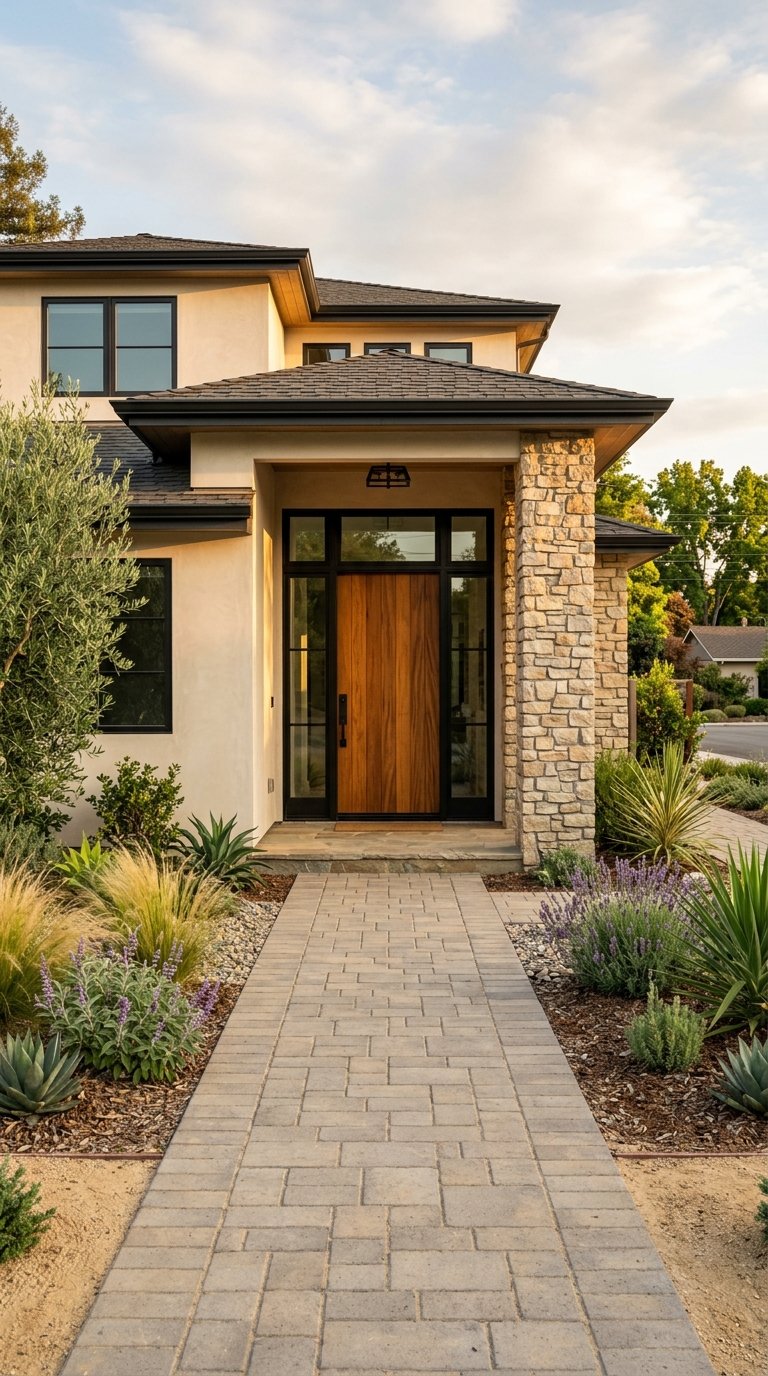
You will mostly see condos and townhomes, with a small number of older, smaller ranches that may need updates. True detached single-family homes under $500k are uncommon inside Littleton. When one is updated and priced right, it moves quickly. Expect compact footprints, mid-20th-century builds, and tradeoffs on updates or lot size.
Mid-market family sweet spot, about $500k–$800k
This is the largest slice of Littleton’s single-family activity. You typically get 1,600 to 2,800 square feet in 1970s to 1990s builds, including ranch, split-level, and early two-story plans. Updated homes at fair prices move fastest. Segment data shows the middle of the market concentrated from the 600s through the low 900s, with typical sizes stepping up across those tiers. You can review segmentation trends using the latest Altos Research snapshot.
- Lower end of this band: you often trade newness or yard size for location closer to central Littleton.
- Upper end of this band: you gain larger footprints, newer finishes, and sometimes newer construction phases.
Move-up and premium, about $800k–$1.2M
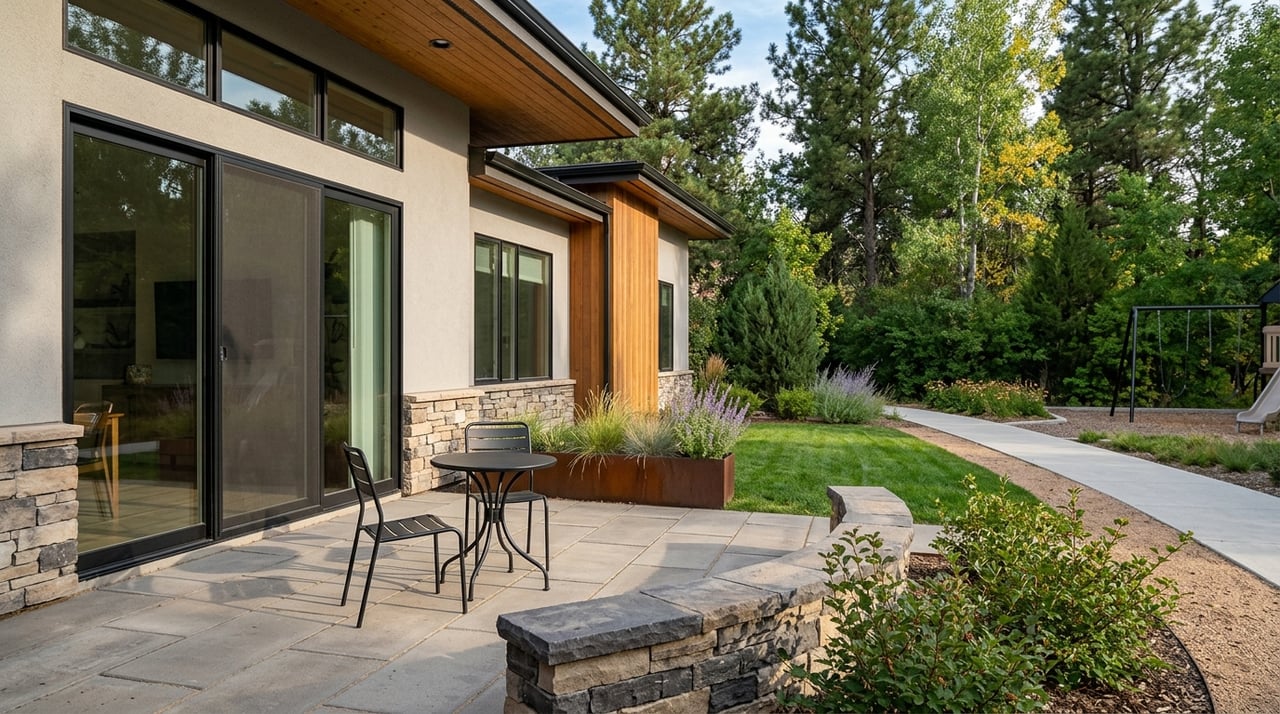
Expect 2,800-plus square feet, larger lots, and newer phases in master-planned pockets. Some areas in southwest Littleton and Ken Caryl offer homes with larger footprints and more recent construction cycles. These homes are common targets for buyers moving up from the mid 600s to high 700s. Market data places upper-tier medians broadly from the high 700s into the $1.6M neighborhood band depending on features, size, and street.
Luxury and estate, above $1.2M
You are shopping custom homes, estate lots, and premium settings. Inventory is thinner and moves more slowly. Price adjustments are more common, and negotiation room is wider. These properties are highly sensitive to lot quality, outdoor living, and unique features.
Seasonality and supply patterns to plan around
Spring brings the biggest wave of new listings. In Jan–Feb 2026, new listings and active inventory climbed from the December lull, consistent with normal seasonality. Expect more choice from February through May, but also more competition on the best-priced homes. Months of supply around 2 to 3 months means you gain some bargaining room compared to the ultra-tight years, yet sellers still hold the edge on the most desirable listings.
Practical timing tips:
- If you want maximum choice, target March through May and stay nimble on showings.
- If you want more negotiation room, look at homes that have been on market for 21 days or more, and watch for price reductions.
- For lower price tiers, plan to tour within 24 to 48 hours of listing to stay competitive.
Where competition shows up
- Entry level. This is historically the most competitive slice. Updated, well-priced detached homes under the city median can draw multiple offers in a few days.
- Mid-market. Clean, move-in-ready homes here still attract strong interest. Dated homes can linger and open the door to concessions or repair credits.
- Luxury. Lower urgency, more room to negotiate, and more one-off factors like lot, views, or outdoor space.
- Offer mechanics. Compared to 2021–22, the average number of offers and the share above list are lower. Sale-to-list ratios in the high 90s give prepared buyers a chance to structure strong yet disciplined offers.
- Investor and cash context. Nationally, institutional investors made about 6.6% of purchases in 2025, and all-cash share remained elevated near 39% nationwide. Local concentrations vary by neighborhood and are lower than national hot spots. You can review the national trend in the ATTOM year-end report.
New construction vs resale: cost you can feel
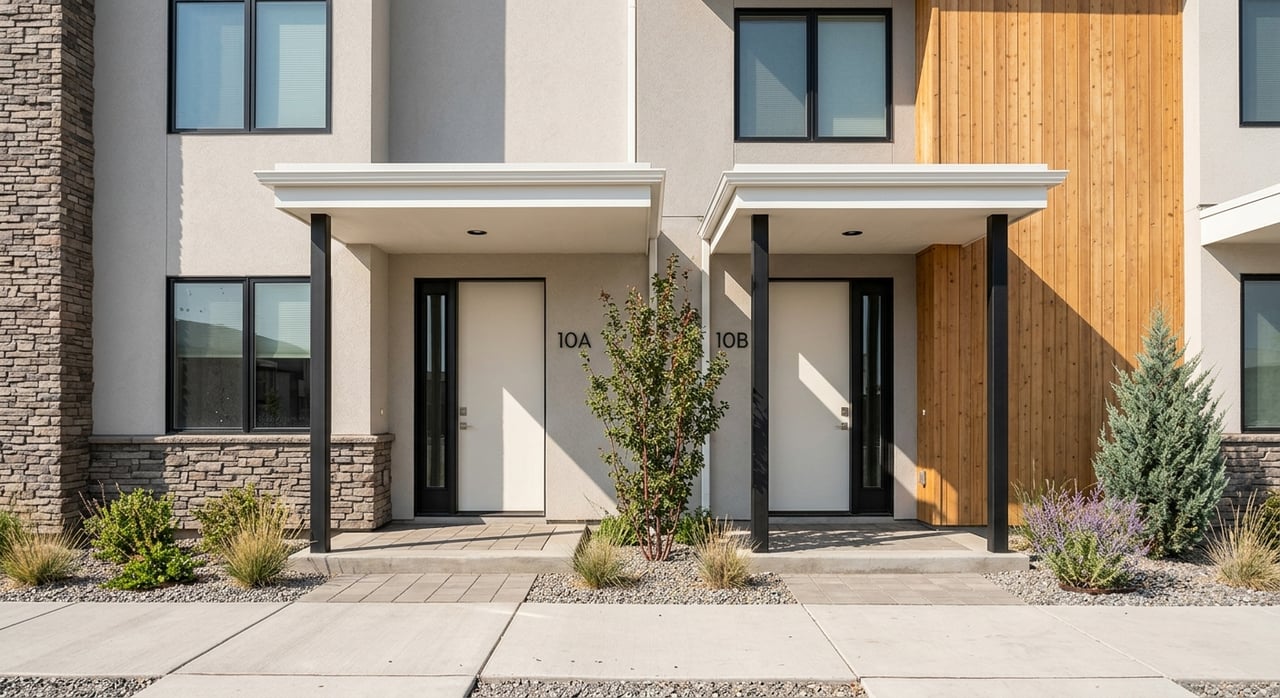
Sterling Ranch and other builder phases near Littleton add real inventory for move-up buyers. Builder starting prices for single-family plans often land from the mid 500s to the 800s depending on plan and lot. For example, Lennar lists single-family options at Sterling Ranch, including plans like the Morrison in The Skyline Collection. You can scan sample pricing and specs on Lennar’s listing page.
Before you lean only on the sticker price, compare monthly carrying costs. New builds often include metro-district levies and HOA dues that change your true payment.
- Metro-districts. These special districts fund infrastructure and amenities, and assessments appear on your property tax bill. A public budget example is available from the Southshore Metro District. While not in Littleton, it shows how district fees are structured and why they matter.
- HOA and amenities. Pools, clubhouses, and landscape services are great, but dues add up.
- Insurance. New roofs and modern systems can lower risk, but location and hail exposure still drive premiums.
Bottom line: weigh new-build incentives and warranties against monthly fees and property tax impacts. Resales may have lower ongoing costs and establish neighborhoods, while new builds deliver turnkey condition and builder perks.
Littleton vs nearby south-metro suburbs
Your decision often comes down to commute, yard size, product mix, and monthly costs.
- Price ranges. Littleton’s median sits in the low-to-mid 600s, in line with nearby suburbs. Centennial and Highlands Ranch often track in the mid 600s to 700s. Parker and Englewood commonly land in the low-to-mid 600s. Exact differences vary by neighborhood and month.
- Product mix. Littleton blends established neighborhoods with varied lot sizes and a walkable historic core, plus nearby new-build phases like Sterling Ranch. Highlands Ranch and Centennial lean more master-planned and uniform. Parker offers larger new builds but longer commutes for many city-center jobs. Englewood sits closer to some job centers with a mix of older stock and quick-turnover pockets.
- Monthly costs. Compare HOA and metro-district fees, taxes, and insurance when the sticker prices look similar.
If you are cross-shopping, set up side-by-side comparisons of age, size, lot, HOA or metro-district fees, and likely renovation costs for each home you tour.
Local risks to factor into inspections
- Hail and insurance. The Front Range has frequent hail events that can raise repair costs and premiums. Ask about roof age, recent claims, and transferable warranties. The Rocky Mountain Insurance Information Association tracks regional hail trends.
- Expansive soils and foundations. Pockets around Littleton sit on clay soils that can expand and contract. Older ranches sometimes show movement that requires professional evaluation. Budget for a structural inspection if there are signs of heaving or settlement.
- New-build fees and assessments. Metro-district and HOA costs are recurring. Verify them early so your payment estimate is accurate.
Smart, fast-offer checklist for busy buyers
Use this to move from first tour to accepted offer without spinning your wheels.
Dial in financing early. Secure a full underwritten preapproval, not just a prequal. That lets you write tighter deadlines and beat similar-price offers.
Tour with purpose. For homes under the median, plan to see day-one listings within 24 to 48 hours. For higher price tiers, build in time for second looks and comps.
Right-size your terms. In a market with sale-to-list near the high 90s, strong offers often include flexible possession, appraisal gap strategies when justified by comps, and clear inspection expectations. Do not waive protections blindly.
Target leverage points. Homes on market 21 days or more are ripe for negotiation on price, credits, or repairs. Luxury listings often have more room to move.
Pre-plan inspections. In hail-prone areas and older neighborhoods, line up a roof opinion and a structural scope if anything looks off. I can coordinate roof estimates quickly so you know costs before you commit.
Compare total monthly cost. On new builds, include metro-district levies, HOA dues, and likely insurance. On resales, factor near-term capital items like roofs, sewer lines, and HVAC.
Timeline planning in today’s market
With typical days on market in the high 40s to low 50s, expect a few weeks of touring to find the right home unless you are targeting a tight niche. Once under contract, most purchases close in about 30 days with clean financing and responsive counterparties. Your speed improves when your lender, agent, and repair partners are already aligned.
Why work with UGotAGuy in Littleton
You want fewer hand-offs and faster answers. I combine local brokerage representation, direct loan origination, and coordinated contractor support so you can go from search to close without delays.
- One point of contact. I quarterback search, financing, and key repairs.
- Faster financing. Direct access to loan origination helps lock rates and clear underwriting early.
- Inspection-to-close support. Roofing and repair coordination reduces fall-through risk and keeps timelines intact.
Ready to see what is possible on your timeline and budget? Schedule a Consultation with UGotAGuy and I will map your search, financing, and offer plan in one call.
FAQs
What is the current Littleton single-family price range, Jan–Feb 2026?
- Most activity clusters in the low-to-mid $600k range, with many closings in the high $500s to mid $600s depending on condition and location.
How competitive is Littleton compared to 2021–22?
- It is less intense, with sale-to-list ratios around the high 90s and fewer homes closing above list, though turnkey homes still draw swift offers.
How long do Littleton single-family homes take to sell right now?
- Typical days on market are in the high 40s to low 50s, faster under the median and slower for larger or luxury listings.
When is the best time to buy a home in Littleton each year?
- Spring brings the most new listings from February through May, which increases choice but also competition on well-priced homes.
Should I buy new construction or a resale in Littleton?
- Compare total monthly cost and timeline: new builds offer warranties and incentives but may carry metro-district and HOA fees, while resales can have lower ongoing costs and established neighborhoods.
What local inspection issues should I watch for in Littleton?
- Hail-related roof wear, expansive soils that can affect foundations, and the true cost of metro-district or HOA fees on newer homes.
How do investors affect Littleton buyers today?
- National data shows investors and all-cash buyers remain active, but overall competition is lighter than 2021–22; strong preapproval and clear terms still win.